
Think as a pair. Learn from every rally.
Two capable players do not automatically make a coordinated padel partnership. One moves forward while the other stays back; both leave the middle ball; a defensive lob becomes the trigger for an uncertain recovery. On Court Padel Guide helps players recognise these patterns and choose support that addresses them.
We are an independent editorial resource about coaching and tactical learning. This website does not claim affiliation with USPTA, another professional association or a coaching certification body, and does not sell lessons or provide accreditation.
Find the right kind of feedback
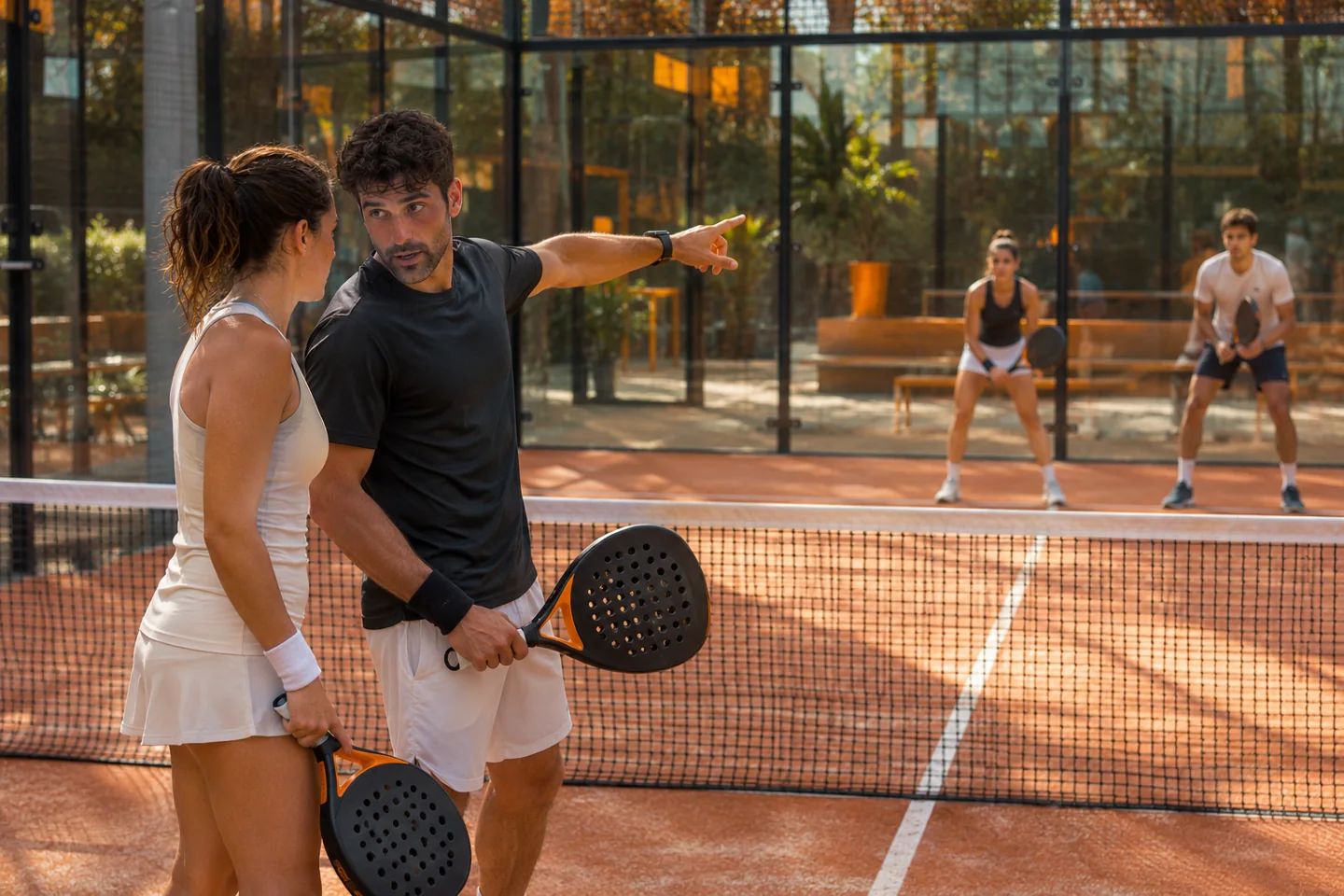
Our pairs coaching guide explains when training together can be useful and how to assess a coach’s approach. Our padel match analysis guide considers video feedback, session deliverables and the practical limits of reviewing a recording.
Before choosing either option, agree what you want to understand. A specific question such as “Why are we defending separately after a lob?” gives feedback a clearer purpose than asking for every weakness in your game.
Watch situations rather than isolated mistakes
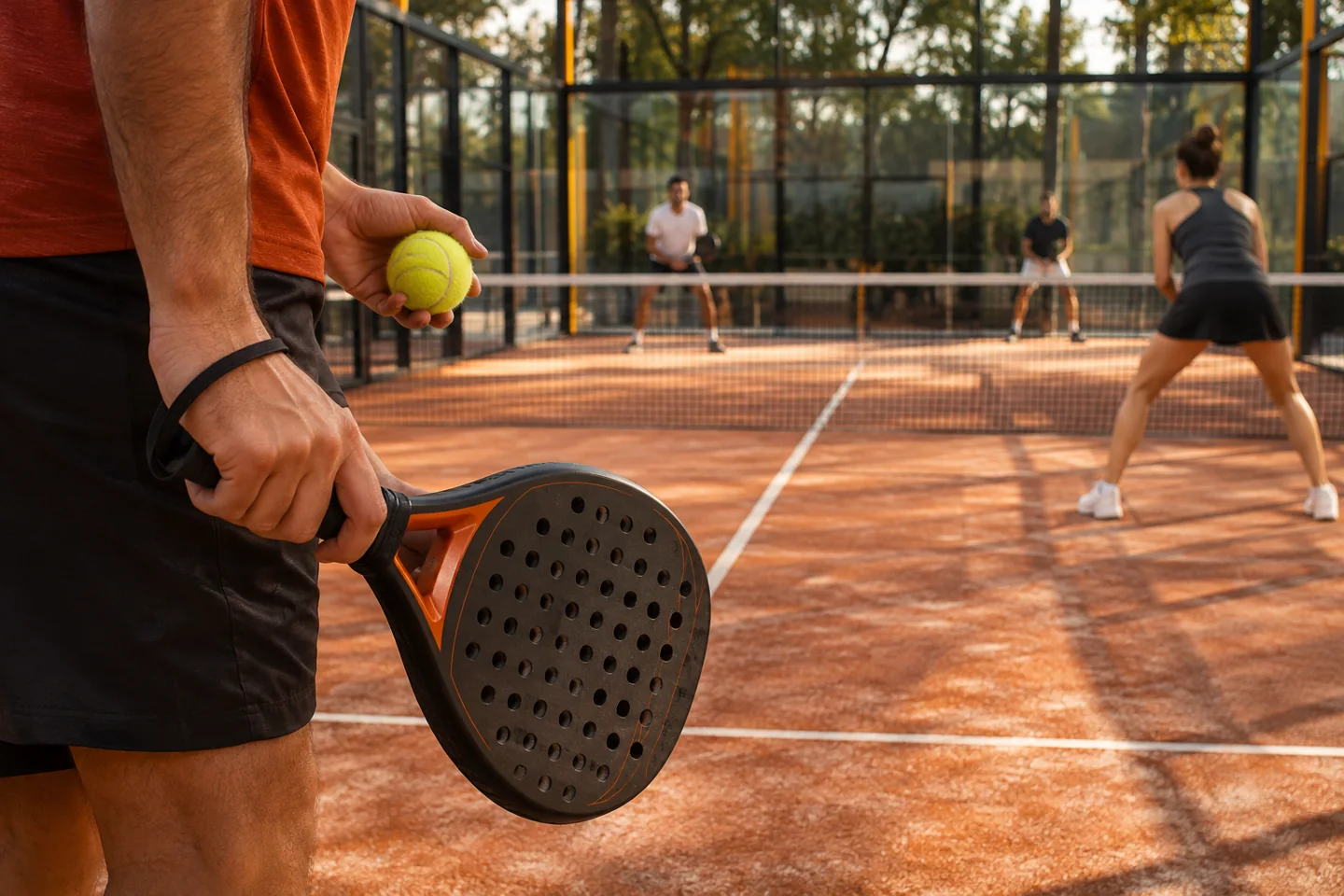
A missed volley may be the visible end of a problem that began two shots earlier. Look at the pair’s position, the ball’s height and the available recovery time. Discuss what each player could see at the moment, rather than assuming both experienced the same situation.
When watching a match back, choose a small number of comparable points. Look for a pattern before drawing a conclusion. One unusual bounce or a rushed decision should not become a sweeping judgement about a partner.
Take one idea onto the court
After a lesson or review, translate the feedback into a task. You might practise recovering together after a high lob or calling the middle ball earlier. Agree a cue you can both use, then test it in a constrained rally before returning to normal scoring.
Keep the review short enough to remember. A long list of instructions can make both players hesitate. The aim is to reduce uncertainty during a rally, not to narrate every movement.
Choose support carefully
Ask providers about their experience with pairs, their feedback format and the follow-up they include. Confirm fees and logistics directly. We avoid invented success rates and guaranteed transformations; useful improvement depends on practice and the fit between the advice and your situation.
Explore Padel Guides for more ways to approach the game with shared intentions and practical questions.